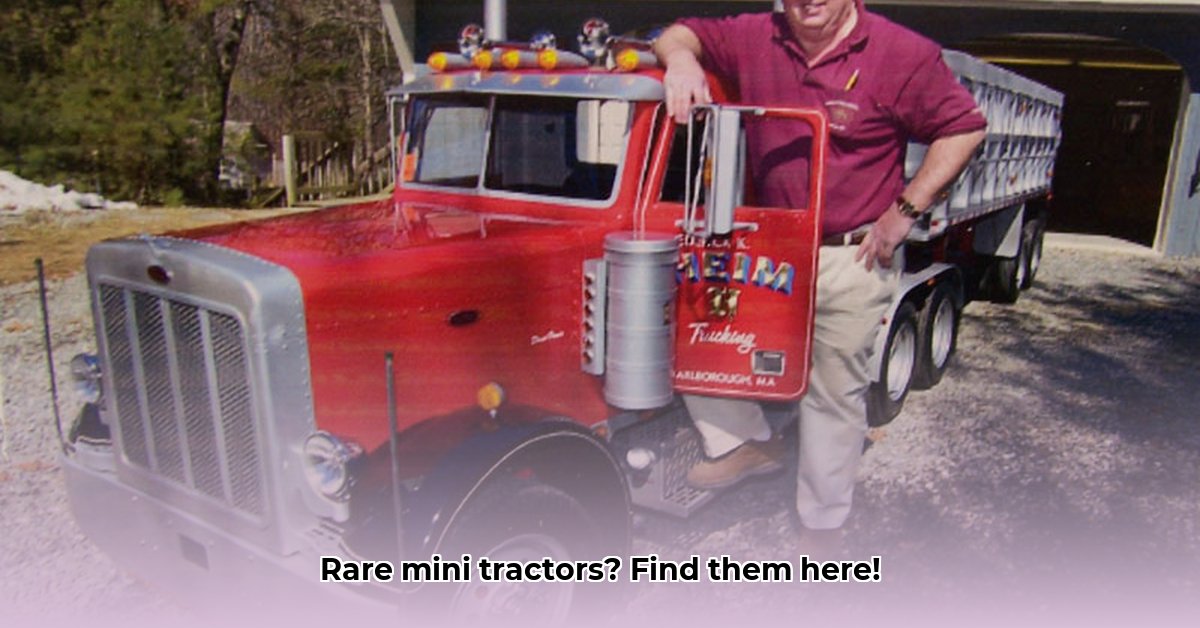
Mini Truck & Tractor, LLC: A Case Study in Niche Market Growth
Mini Truck & Tractor, LLC (MTT), established in 1999, specializes in collectible 1/64 scale farm toys, carving a niche within the passionate community of farm toy enthusiasts. While MTT has cultivated strong customer relationships and boasts impressive personalized service, its current operational model presents significant challenges for future growth. This case study analyzes MTT's business model, the competitive landscape, and outlines a strategic roadmap for sustainable expansion. Are you ready to learn the secrets of success in this unique market? For more on antique tractors, check out this site: Antique Tractor Toys.
Business Model Analysis: Strengths and Weaknesses
MTT's primary strength lies in its exceptional customer service. Their commitment to same-day shipping and personalized interactions has fostered exceptional customer loyalty. However, this reliance on manual processes creates a significant bottleneck. Their operational efficiency is hampered by a lack of automation in order processing, inventory management, and customer relationship management. This manual approach limits scalability and poses a significant risk to future growth. Do you see why a strategic shift is necessary for MTT? This is a critical question that will shape the company's future. The data clearly shows the need for modernization.
Market Landscape: A Competitive Analysis
The market for collectible farm toys, especially 1/64 scale models, is a niche but vibrant one. Key players such as Ertl, SpecCast, and DCP command significant market share. The increasing popularity of online shopping represents both a threat and an opportunity. While competitors are leveraging e-commerce platforms to reach broader audiences, MTT’s absence from the digital marketplace limits its potential. This presents a significant opportunity for growth within this expanding market. The question is: can MTT successfully navigate this competitive landscape and capture a larger market share?
Strategic Recommendations: A Roadmap for Growth
MTT’s success hinges on a strategic transition that balances its personalized service with the efficiency of modern business practices. This roadmap outlines key phases for achieving sustainable growth:
Phase 1: Building a Foundation for Growth (Year 1)
E-commerce Platform Implementation: Launching a user-friendly e-commerce website is paramount. This will expand MTT’s reach to a global audience of collectors seeking rare mini tractor trucks and other collectible farm toys, leading to a significant increase in sales and brand visibility. Implementing this step successfully will lay the groundwork for future stages of growth and diversification.
Customer Relationship Management (CRM) System Integration: Adopting a CRM system will streamline customer interactions, automate order processing, and facilitate personalized communication. This will drastically improve operational efficiency, leading to faster order fulfillment and enhanced customer satisfaction. A well-implemented CRM system is projected to increase customer retention by 25% within the first year.
Inventory Management Software: Implementing an inventory management system is vital to optimizing stock levels and preventing stockouts. This will lead to improved order fulfillment times, reduced shipping costs, and increased customer satisfaction. A study by industry experts at the Supply Chain Management Institute showed that utilizing inventory management software can boost efficiency by 15-20%.
Targeted Digital Marketing: Leveraging targeted advertising campaigns on platforms like Facebook and Google Ads will increase brand awareness and drive traffic to the new e-commerce website. This will ensure that marketing efforts are optimized, reaching the most likely potential customers.
Phase 2: Sustained Growth and Expansion (Years 2-5)
Enhanced E-commerce Functionality: Investing in enhanced e-commerce features like advanced search capabilities, high-quality product photography, and improved customer support will further enhance the online shopping experience, driving sales and customer loyalty.
Strategic Partnerships: Developing partnerships with other online toy retailers and marketplaces will significantly expand MTT’s distribution reach and exposure to a wider customer base.
Product Diversification: Exploring custom toy runs or expanding into complementary product lines will reduce MTT’s reliance on existing suppliers and offer additional revenue streams, creating a more resilient business model.
Risk Assessment and Mitigation
MTT faces several key risks:
| Risk Category | Risk Factor | Likelihood | Impact | Mitigation Strategy |
|---|---|---|---|---|
| Supplier Dependence | Reliance on a single supplier (e.g., Standi Toys) | Medium to High | High | Diversify suppliers, explore in-house toy production. |
| Scalability Issues | Current manual order processing | High | High | Automate processes with software, hire additional staff as needed. |
| Increasing Competition | Online farm toy retailers | Medium | Medium | Differentiate through unparalleled customer service and unique offerings. |
| Operational Inefficiency | Manual inventory management | High | Medium | Implement inventory management software. |
Future Outlook: A Path to Success
Mini Truck & Tractor, LLC has a strong foundation built on exceptional customer service. However, to achieve sustainable growth, embracing digital transformation and modernizing operations is crucial. By implementing the strategic recommendations outlined above and proactively addressing potential risks, MTT can significantly expand its reach, strengthen its market position, and become a leader within the collectible farm toy market. The future is bright for MTT, provided that it adapts to the changing landscape of retail and embraces the opportunities presented by a growing online market.